Gas Home Appliance Installation: A Comprehensive Guide
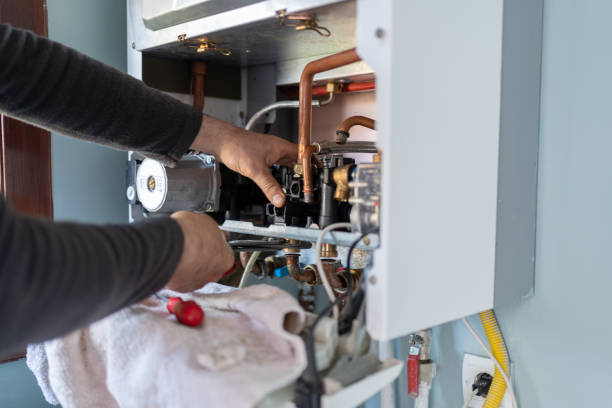
Setting up gas appliances can appear like a difficult job, but with the ideal understanding and prep work, it can be a straightforward process. Gas home appliances provide benefit and efficiency in our homes, from warming our rooms to cooking our meals. Nonetheless, inappropriate installation can cause security risks, such as gas leaks. For that reason, it's critical to understand the steps and preventative measures associated with the setup procedure.
Before beginning any kind of installment, it's important to check regional building codes and guidelines. Each area has its set of guidelines that determine how gas home appliances ought to be set up. Ensuring compliance with these policies can conserve you from potential penalties and, extra importantly, guarantee your safety and security. It's smart to call your neighborhood utility supplier or a certified specialist that can supply support on authorizations, required examinations, and any type of specific codes appropriate to your area.
Next, you need to prepare your space for setup. This prep work includes ensuring sufficient ventilation in the area where the gas appliance will certainly be mounted. Correct air movement is vital to avoid the buildup of dangerous gases. Additionally, it's vital to take into consideration the positioning of the appliance. For instance, devices like gas ovens must be placed far from wall surfaces or frameworks that can ignite and ought to have enough clearance for risk-free procedure. Make certain there's very easy accessibility to the control handles and that the device is level before securing it in place.
The installation process itself may differ relying on the type of gas appliance-- be it a water heater, heater, or stove. Typically, it entails attaching the device to the gas supply line, ensuring all installations are suitably secured and safe and secure. Use Teflon tape or pipeline joint compound on threaded connections to avoid gas leaks. After securely attaching the gas line, it's recommended to carry out a leak test. This involves applying soapy water to the links and trying to find bubbles, which indicate a leak. If you notice any kind of indicators of leak, tighten up the connections or call an expert for support.
Lastly, after setup, it's important to guarantee that the gas appliance operates correctly. This includes complying with the supplier's standards for operation and upkeep. Normal examinations and timely attention to any kind of unusual efficiency problems can assist extend the life of your home appliance and keep your home safe. Keep in mind, if you feel unpredictable at any kind of point in the setup procedure, it's best to employ a certified gas line installation professional. They have the experience and experience to handle the installment safely and successfully, giving you assurance.
Finally, gas line installation needs cautious preparation, adherence to safety policies, and interest to detail. By comprehending the required actions, guaranteeing you satisfy regional codes, and performing extensive tests after installation, you can delight in the effectiveness and comfort that gas appliances give your home. Whether you select to tackle the installation on your own or hire vancouver top gas line installation expert, prioritizing security ought to constantly be your leading worry.
This link here:https://en.wikipedia.org/wiki/Furnace_(central_heating) sheds light into the topic—so check it out!
